Otarian
Pearlfisher designs food packaging and menus for Otarian – the planet’s first low carbon restaurant chain. Check it out below.
"Otarian, a new boutique fast-casual restaurant chain, is set to change the face of the London and New York food scenes when it opens this spring, becoming the first global chain to comprehensively carbon footprint every item on its vegetarian menu to internationally recognised standards. The new concept places sustainability at its heart, fusing a passion for the environment with a passion for great food to create a mouth watering dining experience that is also good for the planet.
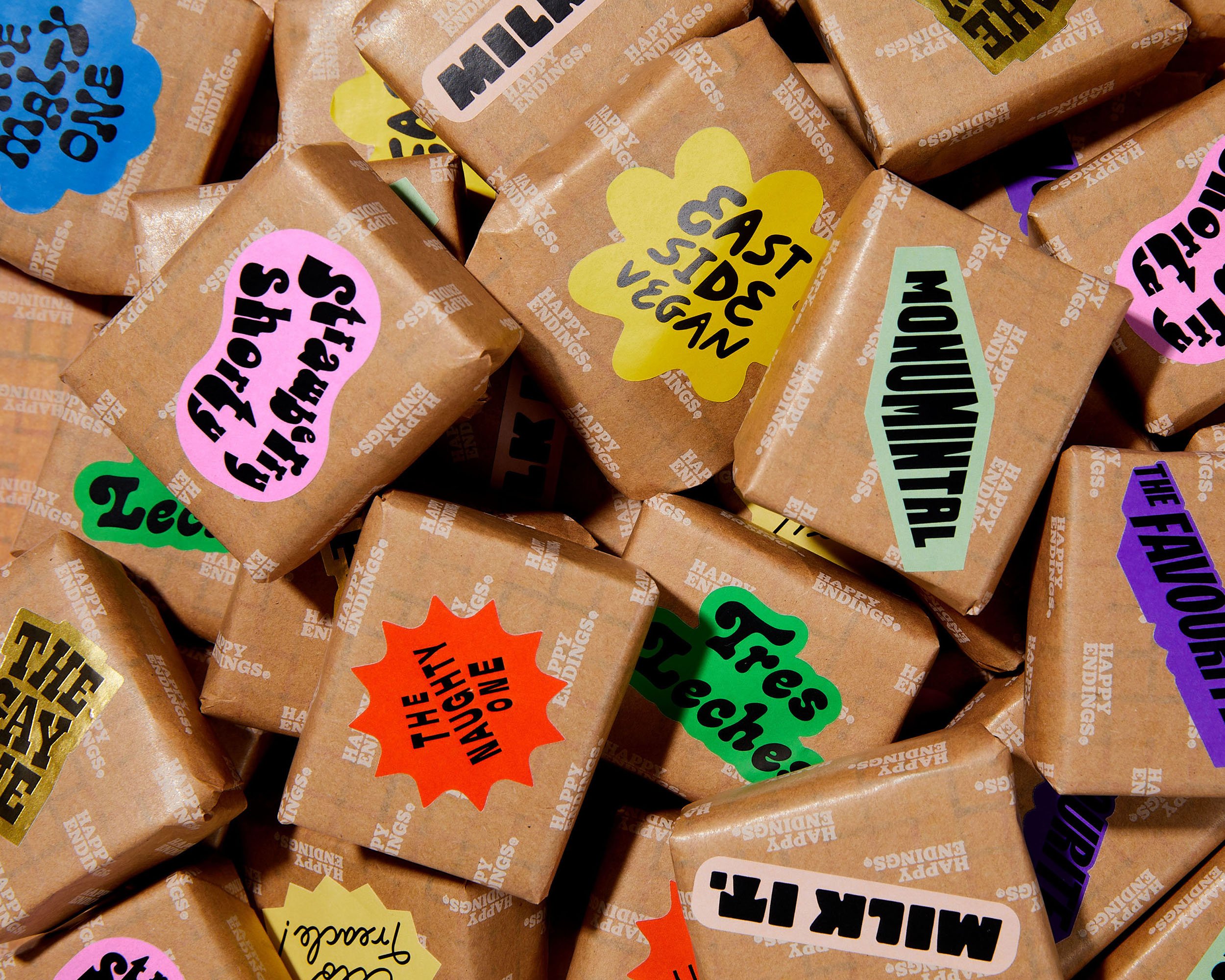
With the identity already created, Pearlfisher was tasked with creating a secondary visual language to clearly communicate both the irresistibly tasty vegetarian product and the environmental footprint message without distracting from the food.
Pearlfisher Creative Director Natalie Chung said, 'Because we were responsible for conveying two messages, we have deliberately kept the design simple, clean and modern. Bold but recognizable "‘foodie’" colours clearly show the choices available. It’s aspirational but accessible.'
Otarian founder Radhika Oswal is a lifelong vegetarian and committed environmentalist, she said: 'Otarian is built on the principles of sustainability and vegetarianism and all aspects of the restaurant menu and operations have been developed with these principles in mind. This makes Otarian different from anything else that exists today and, therefore, we needed a really distinctive visual design.
We are delighted with the strong design that Pearlfisher has created for us - it heroes our delicious food while also ensuring that the key environmental messages are communicated clearly.'”
3 Comments | Posted on
Friday, June 18, 2010 


Reader Comments (3)
Once the food is sold, the story about the low carbon footprint is probably more important to tell, as you've already sold the food to the customer.
Had this been a package for food to be sold at a supermarket or vending machine, then it would be much more important to show the food. But to properly critique the package, you should consider the context as well as the design.
However, I do agree that they should have included SOME sort of way to highlight the food more, but my main complaint about the design is that it doesn't read as "low carbon" or foodie at all! The bright neon colors (pink? cyan? aqua green?) all read as artificial - not something I expect from a place that sells vegetarian or low carbon food. The color palette looks like "happy baby products" more than eco-friendly vegetarian fare.
Props for not using the tired crafty brown to show "eco-friendly", but I don't think this is a success.