Follow:
  News:  
 
Follow us on Twitter
Subsribe to our Feed
Our Feed via Email


View More Jobs
| Post a Job


Search The Dieline
« Wooden Matches Block of 100 by Fitzsu | Main | Advertising is Dead. Long Live Packaging. »
Friday
Mar132009

Advertising is Dead. Long Live Packaging.

By Ted Mininni

It’s no secret that most conventional advertising isn’t cutting it. When marketers think about how to allocate their budgets, maybe they ought to be spending less on advertising. Why not take those dollars that aren’t going to be spent on advertising, and invest them in packaging instead?


The rationale for this argument is simple. With consumers increasingly tuning out of mainstream media channels and tuning into their iPods, mobile phones and social networks instead, most advertising is going to a dead letter office. At the same time, consumerism continues to flourish. Shopping is a pastime for many Americans and a team sport for Tweens, teens and young adults.


We are experiencing a downturn in the economy and tighter wallets due to substantial rises in living expenses. While softer at present, consumer sales will rebound just as soon as the economy shows signs of picking up again. We ought to get ready for that—now.
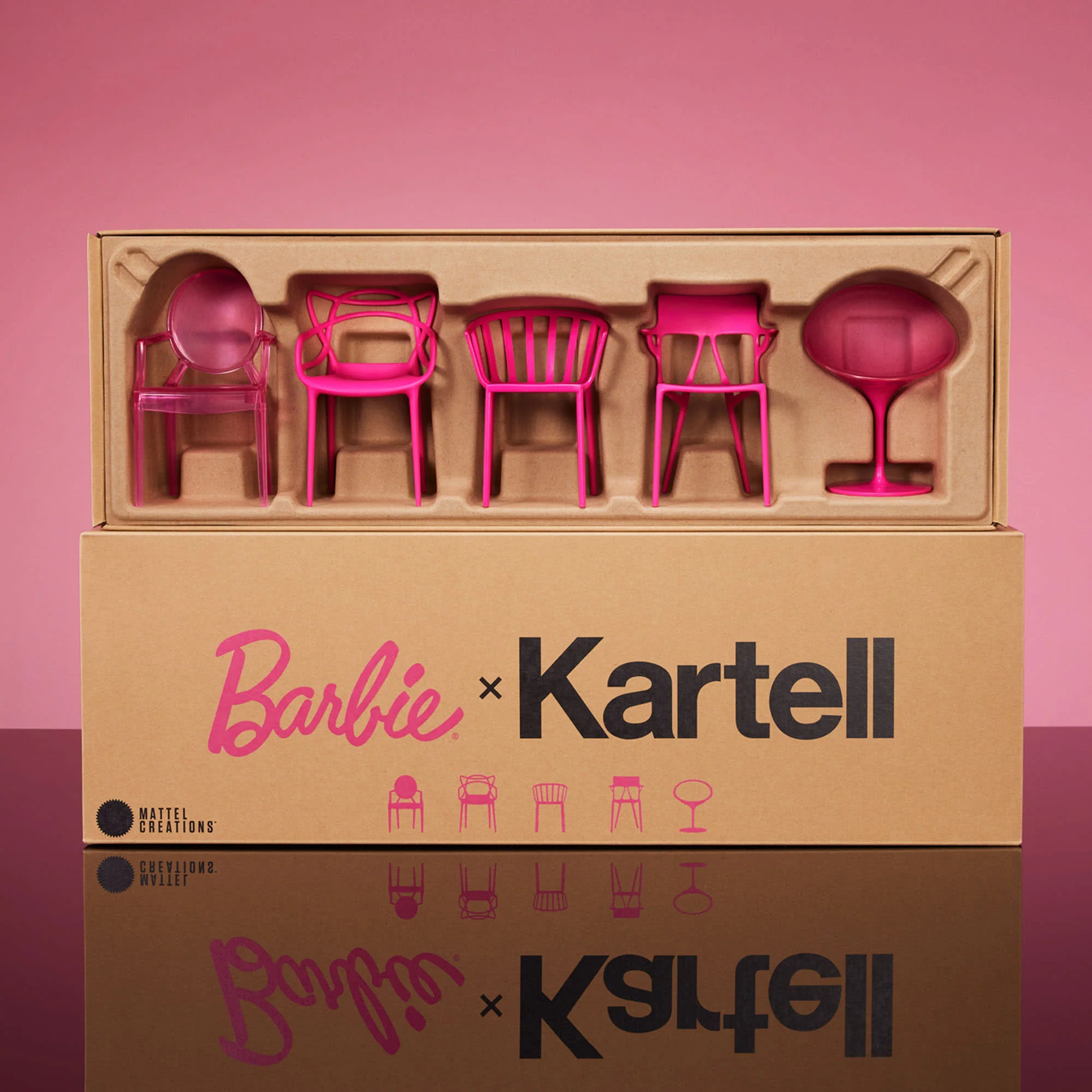
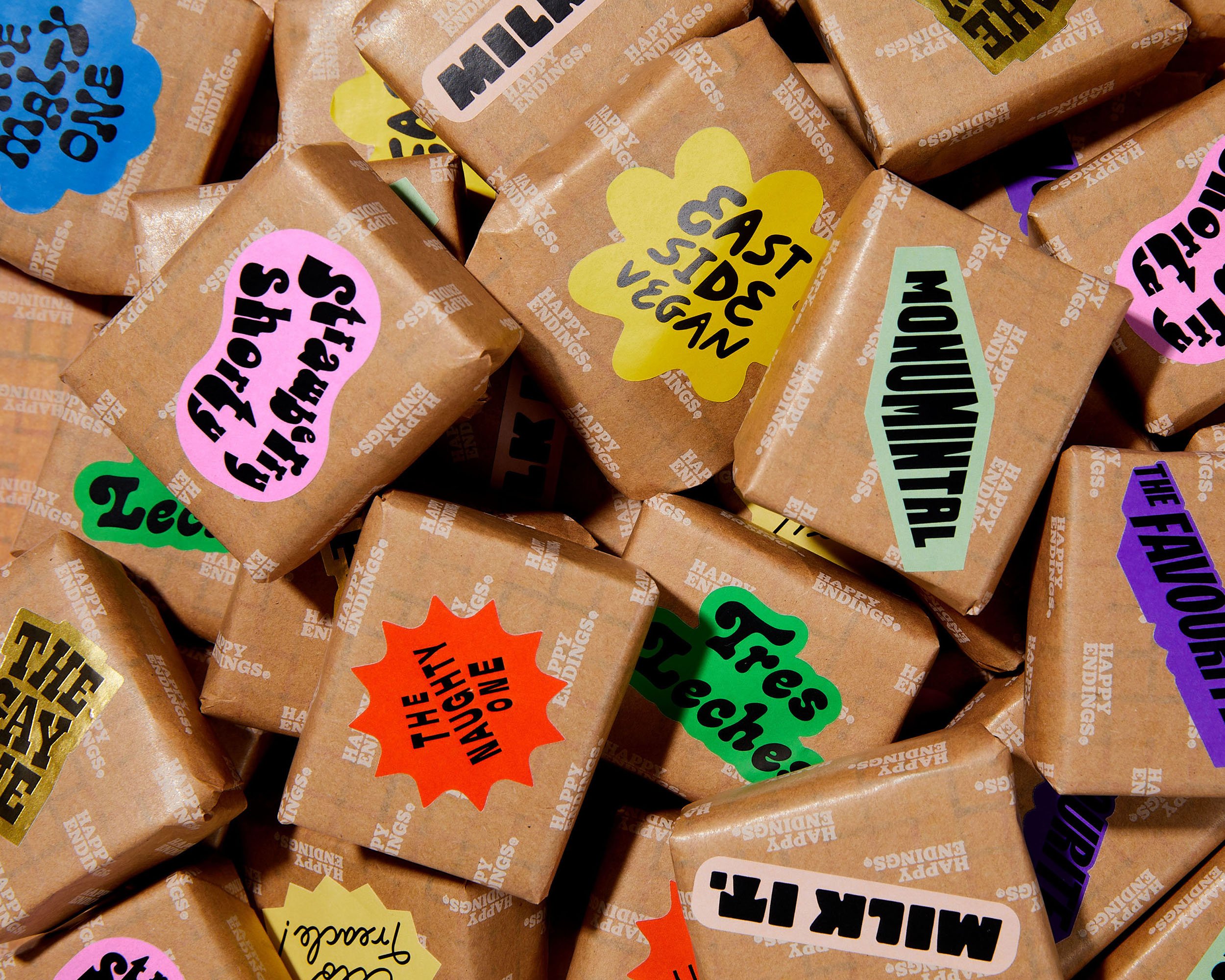
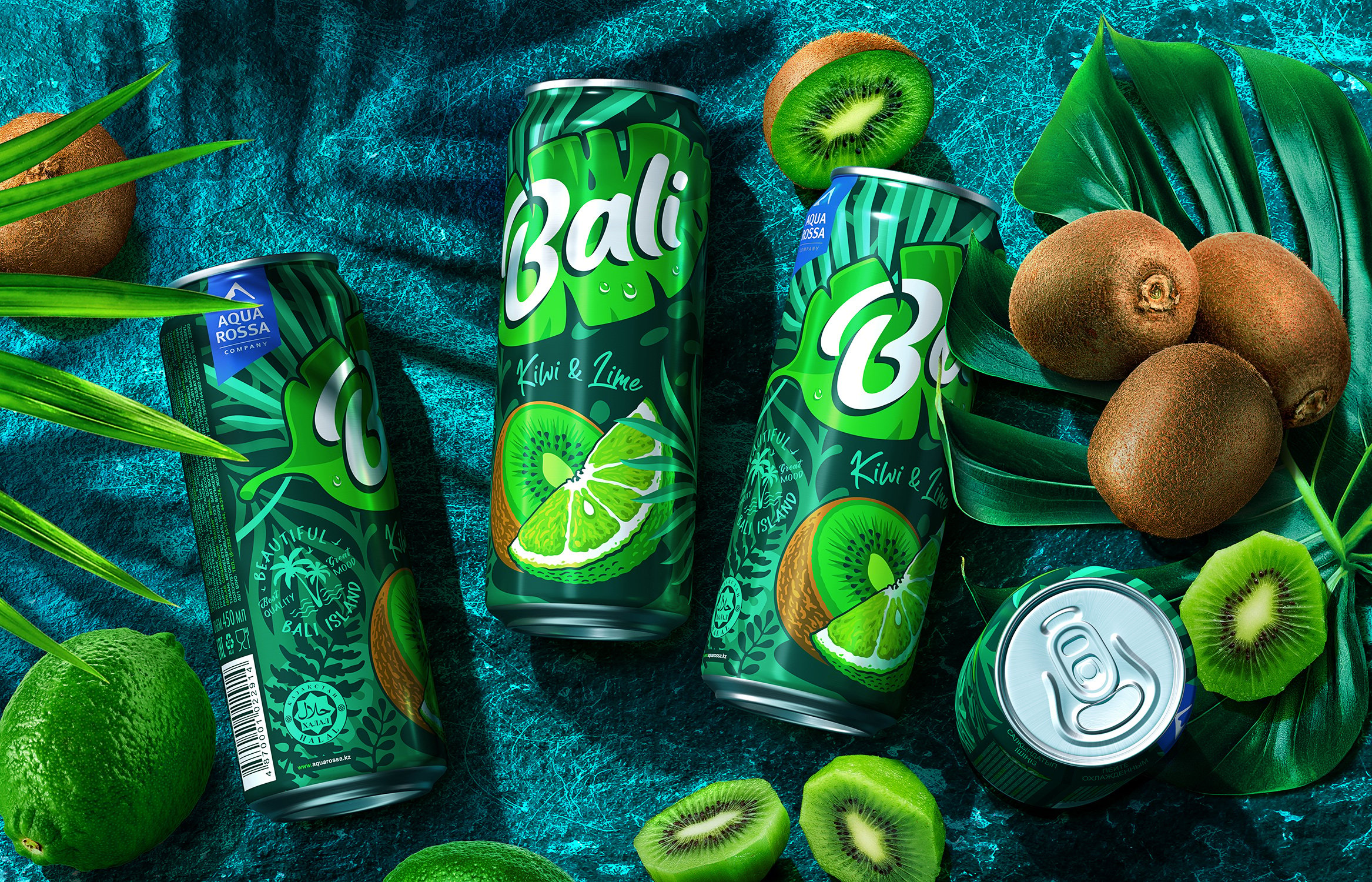
This brings us back to investing in packaging. Many marketers would scratch their heads and say that they already do invest substantially in product packaging. If that is so, why does a plethora of category packaging out there look so boring, so similar, so uninspiring? Remember that consumer packaging may be the only opportunity many brands have to “sell” consumers, since so much advertising is lost on them.


Stand in the aisle of any major supermarket or mass retailer in America and notice in numerous product categories, many brands are indistinguishable from each other. If your brand looks like the rest of the product brands in the category, an overhaul is in order. To wit: do we need one more pasta sauce with a red and green label? Can you discern one brand of sauce easily from another?


Given this, is it enough to leverage brand assets on product packaging? Implement proper communication hierarchy and the use of signature brand colors? Design a unique, “ownable” structure to help establish brand differentiation?


Apparently not. With myriad consumer products in the marketplace these days, it’s getting increasingly difficult to get, and keep, the customer’s attention at retail. New product introductions are growing exponentially and the pressure of increasing competition is only making the problem more acute.


Packaging before Product.


What does the consumer interface with first, the product, or the package the product comes in? The package. So, it is expected to do a great deal. Get the consumer’s attention in 3 seconds flat. Stand out from competitors’ products. Hold the consumer’s attention long enough to identify with the message, lifestyle and emotive cues in the imagery and communications prompting them to pick up the product. Make an all-important connection. Take it home.


Now be honest and ask yourselves whether your packaging is doing the job. Even if your products represent category leaders, is your packaging really selling the brand? Given the mercurial nature of fast-changing consumer desires and today’s retail environments, a change may be in order. That change might be subtle, yet make a huge difference, while requiring a fairly modest investment.


If packaging isn’t doing the job, it’s time to reinvest in this most crucial element in your marketing mix in a significant manner. That might even involve—gulp—radical new thinking. That takes courage. But look at it this way: it’s less risky to break new ground if a brand has little equity or market share, and it might be just what the doctor ordered.


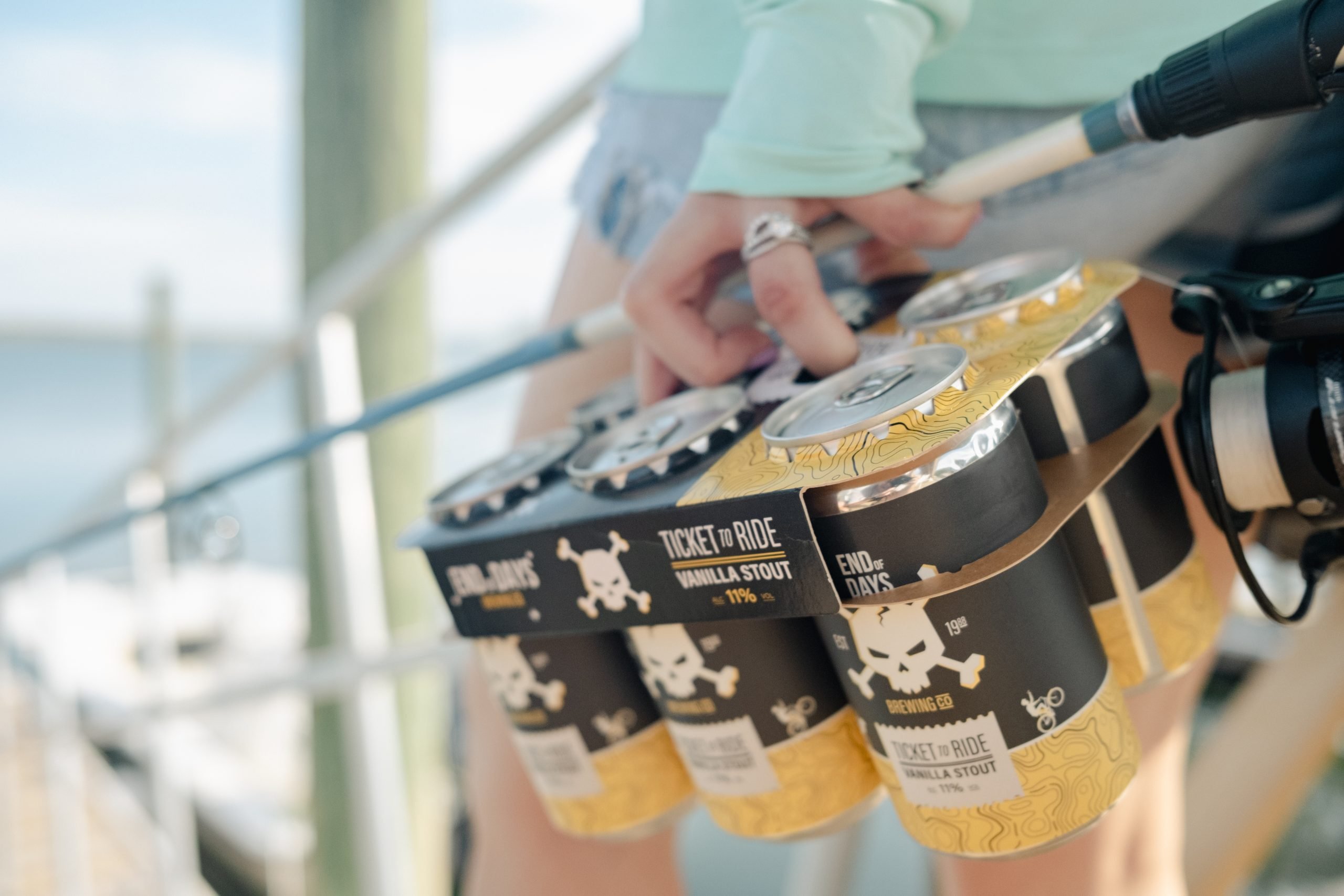
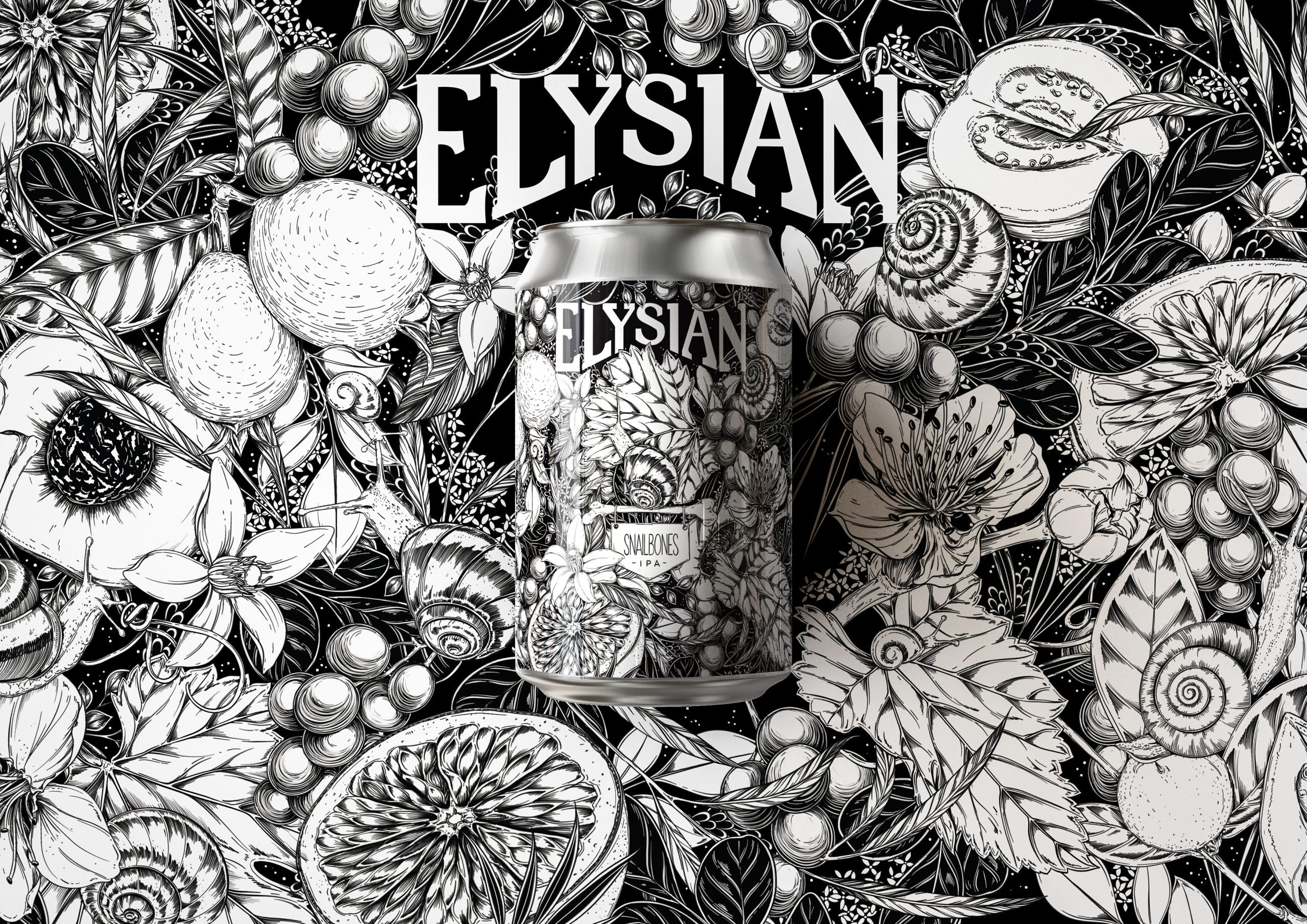
A new departure in packaging might create some real excitement and WOM buzz. . .what marketer wouldn’t love that? So, if you’re convinced your new brand of gourmet pasta sauce is the best ever, why package it with red and green labels? Why not give serious thought to revolutionizing the category with stand-out, stand-alone packaging? Pom Wonderful did just that in the juice category. Pringles did it in the high volume snack category. These package designs are now iconic, easy to identify and firmly rooted in consumers’ minds.


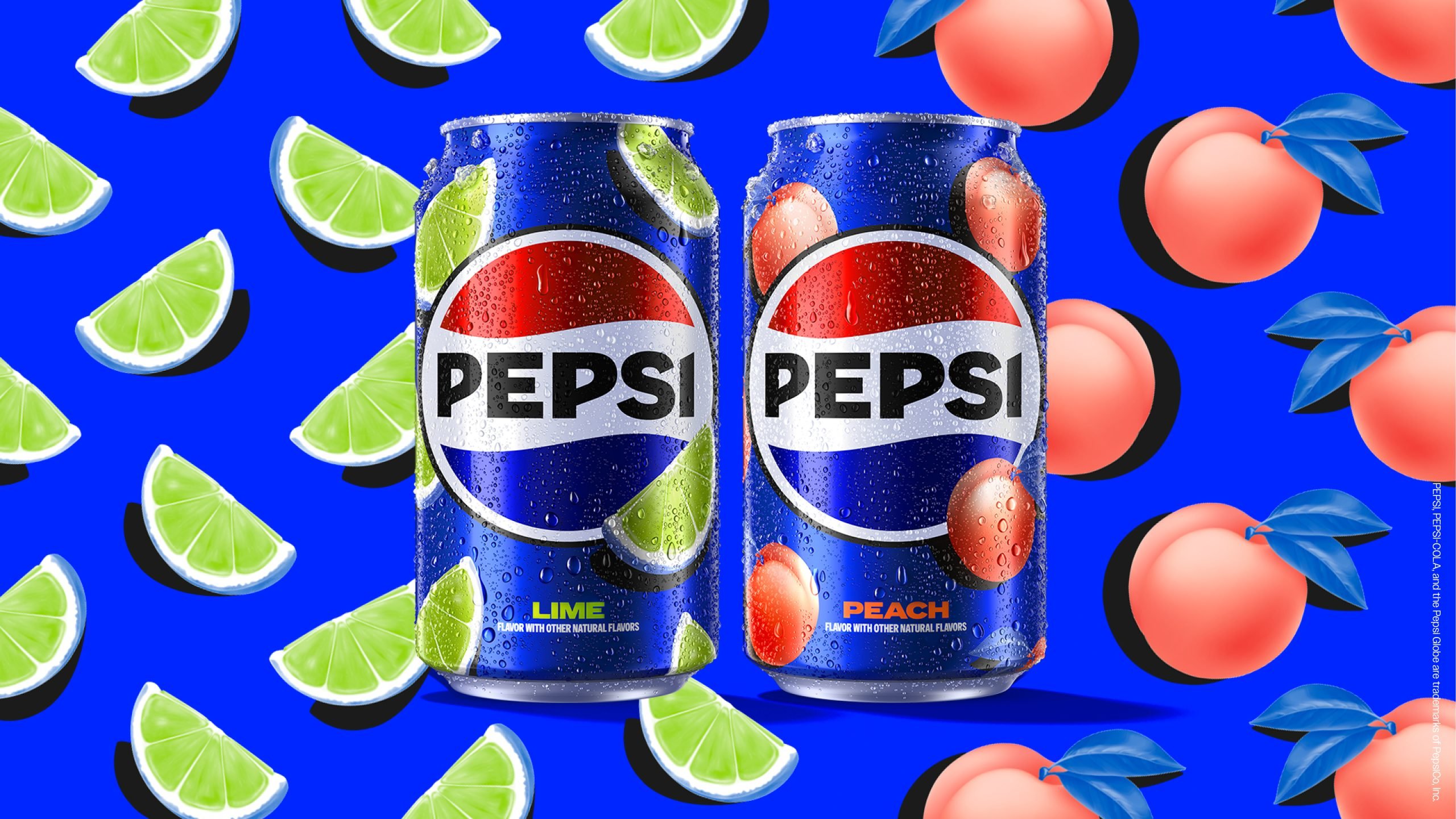
Even with established brands, a leap of design faith can yield dramatic results. Pepsi recently rolled out over 30 new whimsical, contemporary designs on its soda bottles and cans. The eye-popping art work retains the brand flagship colors—blues, red and white. The brand identity and heritage are intact, but they’ve been contemporized for a new Pepsi Generation. This new “Choregraphy” campaign has elevated Pepsi in consumer consciousness, especially for its target audience: youth.


Procter & Gamble’s Downy brand is another category leader. Yet, P&G has launched a new Radiance collection of three “fabric enhancers” in distinct, “perfume” fragrances. The packaging looks like anything but stolid, old stand-by Downy. Sophisticated fragrances and sensuous, curvy packaging with metallic colors cued to each fragrance, delivering a fashion statement. Who would have equated Downy with fashion and sophistication in the past? So why can’t established brands launch exciting new packaging for line extensions?


Bottom line: brands demanding unique positioning in the consumer’s mind demand unique packaging. Whether the challenge is to market heritage brands to newer generations of consumers or to launch new brands to the marketplace, the packaging focus has to be the same: owning mindshare. Packaging may be marketers’ first and only opportunity to make that vital connection with the consumer. If your products are lost in the retail shuffle, or you’re about to jump into the marketplace foray, you’ve got a big challenge on your hands.


Now tell me there’s a better way to allocate marketing funds than trail-blazing new packaging.


Ted Mininni is president of Design Force Inc., the leading brand design consultancy to consumer product companies with Enjoyment Brands™. Design Force helps clients market brands that deliver positive, gratifying experiences by connecting consumers to brands emotionally with compelling visual brand experiences. Design Force, Inc. can be reached at 856-810-2277, or online at www.designforceinc.com.

Reader Comments (9)

Howdy Ted; different venue than MProfs, same great topic.

Couldn't agree with you more. Last weekend I was at Natural Products Expo West scouting personal care and supplement products for a partner. But in the time I walked the entire floor among all categories, I let packaging design be my stopping guide allowing vendors wares 2-3 seconds glance time.

To me it's the only thing that really mattered. While graphical and colorful appeal is indeed very nice, it's the typography and info presentation that mattered most. Regarding type, the face was either unremarkable or too small (primary branding or secondary info). And regarding info presentation, oftentimes there was just too much thrown onto the facing. Supplements were the worst performers in this area, trying to shove multiple benefits on the front when they should have been on the side or rear.

Anyways, the point of great packaging is to communicate and entice people to look further within 3 seconds. Everything else is up to them (price and interest).
March 13, 2009 | Unregistered CommenterMario Vellandi
Tom, I am glad you posted this and addressed Pepsi's rebrand. There has been a loud buzz in the design community and designers are still talking about this rebrand that occurred over 5 months ago. I don't think many designers are taking the target audience and meaning behind their rebrand into consideration when they start throwing around negative comments about Pepsi's new look. I'd like to think packaging is the most important design element that a product has these days, and it is important for designers to realize and except this.
March 13, 2009 | Unregistered CommenterAntonea
I can't believe I just called you Tom! Sorry :) Don't know where my head was at!
March 13, 2009 | Unregistered CommenterAntonea
"...The package is the last opportunity to communicate the brand before it is purchased..."

Therefore a lot needs to be invested in it.
March 15, 2009 | Unregistered CommenterMokokoma Mokhonoana
i feel alot dumber after reading this.
March 23, 2009 | Unregistered Commenterjoerogan
Hi Mario,

Nice to hear from you over here at The Dieline, too. Loved your observations. Let me say this: the natural and organic products industry is dotted with small and mid-sized companies that are begun by entrepreneurs with passion and a vision. They often need help with their packaging, but they don't always have the resources to redesign. They also lack the expertise. That's where we come in. However, let me caution you: if you want to become expert in this industry, you need to study it, Mario. You need to understand the customer, the retailer and the products themselves to fully deliver the most effective packaging solutions. A pretty package alone doesn't cut it. And in an industry like this one that values substance far more than style, please remember that. One other point: the supplement part of that business is a far more complex one than the food segments. There are likely specific laws and best practices governing how packaging is done for vitamins, herbs and supplements. That is a specialized business within a specialized business.
March 24, 2009 | Unregistered CommenterTed Mininni
Antonea,

Great observations. I'd like to point something out to you that you might be interested in doing some research on. The Pepsi art can designs were executed by The Arnell Group last year. The Tropicana package refresh was executed by the same design consultancy. Why was the Pepsi redesign such a success while the Tropicana redesign was such a failure? Because the target audience in the first case was clearly understood; in the latter, it was not. That's how truly important executing design work with the proper research and understanding is so important.

Mokokoma,

No argument from me on that one. Remember: advertising brings consumers into stores and to the shelf. Packaging either sells the product in the final seconds at the shelf, or fails to.
March 24, 2009 | Unregistered CommenterTed Mininni
Yeah

Maybe that is what the car industry needs . . . packaging for their cars . . .useless but interesting whith this "crisis"hahahaha
March 25, 2009 | Unregistered CommenteraiTorism
Hello,I just to discover your blog about Packaging for branding. That's very interesting to properly reconsider this alternative to mass advertising. In my blog I'am even more micro as I analyse how product customization can be used as differenciation tool for branding and mass production.I'll keep follow...
April 9, 2009 | Unregistered CommenterJerome B.

PostPost a New Comment

Enter your information below to add a new comment.

My response is on my own website »
Author Email (optional):
Author URL (optional):
Post:
 
All HTML will be escaped. Hyperlinks will be created for URLs automatically.