Search
Loading
Top Trending Posts
Newsletter
Featured Design Firm
FEATURED JOBS
« Airforce Nutrisoda | Main | Happy New Year »
Tuesday
Jan012008

Shopdropping

Composite

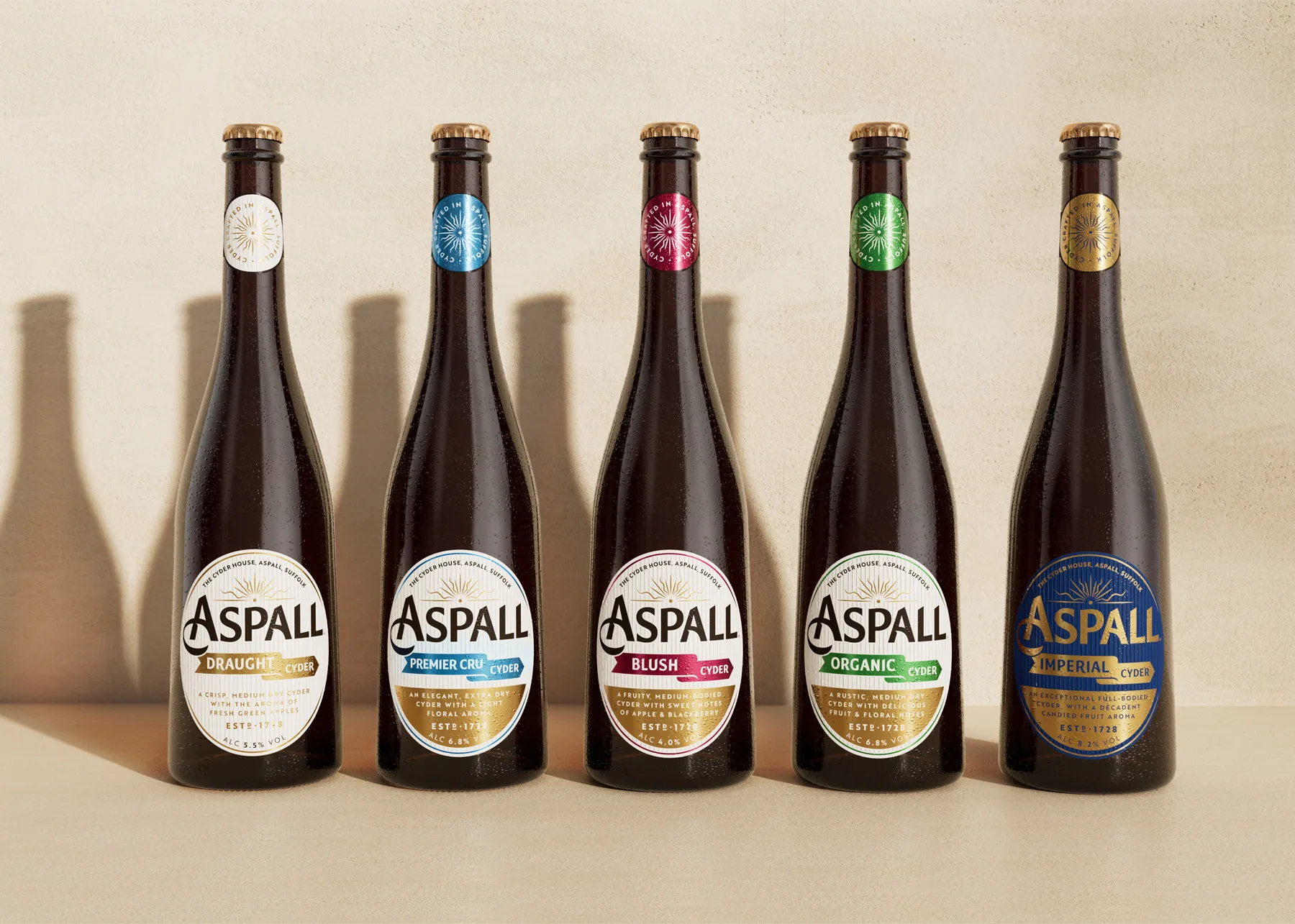
What's going on in the above images? I've discovered a phenomenon called 'shopdropping'. Excerpted below is an explanation from shopdropping.net.

SHOPDROP: To covertly place merchandise on display in a store.  A form of "culture jamming" s. reverse shoplift, droplift. *As defined by Ryan Watkins-Hughes
       

SHOPDROPPING
is an ongoing project in which I alter the packaging of canned goods
and then shopdrop the items back onto grocery store shelves. I replace
the packaging with labels created using my photographs. The shopdropped
works act as a series of art objects that people can purchase from the
grocery store. Because the barcodes and price tags are left intact
purchasing the cans before they are discovered and removed is possible.
In one instance the shopdropped cans were even restocked to a new aisle
based on the barcode information.

Well, what if branding and packaging designers used the shopdropping method to more practical ends? We always want to know in advance: how do consumers react to more artistic, risk-taking packaging? Brands are scared to break away from the sameness, but taking some
risks with design can be a very powerful way to impact sales. I think shopdropping as a research method (for those without focus-groups and big market research budgets) can make a lot of sense. Armed with video footage of consumer reactions to shopdropped product, a designer can make the  case for that riskier, but stronger design.

I realize the concept might be flawed, because how can you really measure the reaction. Either way, it's better than working in a vacuum and I think it could be a fun learning experience.

Can grocery staples be beautiful, so much that people will want to buy them and leave them on the kitchen counter? It's possible, and it's a new year. No time like now to take a chance and help brands make the changes they've always (secretly) wanted to make.

 

Reader Comments (4)

Great topic, Yael! On Christmas Eve there was a front page NY Times article on “shopdropping" which is the first I'd ever heard of this... “Anarchists in the Aisles” http://www.nytimes.com/2007/12/24/us/24shopdrop.html?pagewanted=1&hpIt seems like there are a lot of different motives among those doing it. Self-promotion of indie CDs or books, anti-consumer artworks, political or religious agendas, etc. It's interesting to think that store shelves are starting becoming an arena for agitprop!
01.2.2008 | Unregistered CommenterRandy Ludacer
This is an interesting concept, and will have a few success stories I assume but I can also foresee it perhaps backfiring upon more designers than it helps, as stores may become increasingly vigilant against such behavior should word of it become a topic around the merchandise planning tables. I can't see many store managers or buyers being pleased at having shelf real estate comandeered by hot-shot package designers on a mission to prove their own merit....especially if on shelves that are managed by a third-party contract supplier who might make a big stink next time their rep stops in to reload. Just my thoughts. Still, a resourceful way to use what's available, even if the practice itself can be open to interpretation.
01.2.2008 | Unregistered CommenterJay
Somebody ain't following the news... shopdropping has been around for a while...

http://news.independent.co.uk/uk/this_britain/article1325440.ece

Banksy targeted Paris Hilton back in 2006 by putting his own CDs among Paris' and people actually bought them without knowing.

Does anybody remember?

...
01.3.2008 | Unregistered CommenterDaniel V.
In answer to Jay's question... I remember hearing about Banksy’s Paris Hilton faux-release, although at the time I did not know it to be a part of a larger "shopdropping" trend. I like Banky's provocative style, but I'd imagine that if there was anything that would make stores treat shop dropping as a crime it would be this. (The substituting of a counterfeit product in place of an actual, existing product.) It also kind of brings to mind those episodes of poisonous products being secretly placed on the shelves. Remember the the 1982 Tylenol product tampering in Chicago?
01.4.2008 | Unregistered CommenterRandy Ludacer

PostPost a New Comment

Enter your information below to add a new comment.
Author Email (optional):
Author URL (optional):
Post:
 
All HTML will be escaped. Hyperlinks will be created for URLs automatically.
Related Posts Plugin for WordPress, Blogger...